• Skip to primary navigation
  • Skip to main content
  • Skip to primary sidebar
technzee logo

Technzee

reaking Down the Machines That Power Computing

  • Home
  • Blog
  • Terms
    • Privacy
    • Disclaimer
  • Support
  • Subscribe
  • Contact
  • Show Search
Hide Search

Archives for January 2026

GitHub Codespaces vs VS Code: What’s the Difference? (Explained Simply)

January 23, 2026 by Rajeev Bagra

When beginners start learning coding (or even when professionals switch machines), one common question comes up:

What’s the difference between GitHub Codespaces and VS Code?

They look similar because both can feel like the same editor experience, but they are actually very different in how they work behind the scenes.

This blog post explains the difference in a simple way, with examples and official links.


1) What is Visual Studio Code (VS Code)?

Visual Studio Code (VS Code) is a free code editor that is installed on a computer (Windows, macOS, or Linux).

✅ It is mainly used for:

  • Writing and editing code
  • Running programs locally
  • Debugging applications
  • Managing Git repositories
  • Installing extensions for almost any language

Key points about VS Code

  • Runs on the user’s own laptop/PC
  • Uses the user’s own RAM, CPU, and storage
  • Mostly works offline
  • Has huge extension support
  • Completely free

Official VS Code page:

https://code.visualstudio.com/

2) What is GitHub Codespaces?

GitHub Codespaces is a cloud development environment provided by GitHub.

Instead of running everything on the user’s personal machine, Codespaces creates a ready-to-use cloud computer (a container-based dev environment) where the code runs.

✅ It is mainly used for:

  • Starting development instantly without installing tools
  • Using the same setup across devices
  • Keeping development environments consistent in teams
  • Working from low-end devices (even a tablet)

Key points about GitHub Codespaces

  • Runs in the cloud on GitHub’s servers
  • Requires a GitHub account
  • Works through:
    • Browser (VS Code-like interface)
    • Local VS Code connected to the cloud environment
  • Comes with a configurable setup using devcontainers
  • Paid service (with limited free quota depending on plan)

Official GitHub Codespaces page:

https://github.com/features/codespaces

3) The Most Important Difference (in One Line)

✅ VS Code is the editor.
✅ Codespaces is a cloud machine running a VS Code environment.

In other words:

  • VS Code = the software you use to write code
  • Codespaces = the computer (in the cloud) where the code runs

4) Codespaces and VS Code Can Work Together

Many people assume Codespaces only works in the browser, but that’s not true.

GitHub Codespaces can also be opened inside the installed version of VS Code.

That means:

  • The user uses local VS Code as the screen/interface
  • But the actual environment is running remotely on GitHub cloud

To learn this officially:

https://docs.github.com/en/codespaces/developing-in-a-codespace/using-github-codespaces-in-visual-studio-code

5) Side-by-Side Comparison (Simple Table)

FeatureVS CodeGitHub Codespaces
Runs onUser’s own PCGitHub Cloud
Internet requiredNot alwaysYes
Speed depends onUser’s laptopSelected cloud machine
Setup requiredInstall Python, Node, etc.Mostly ready-made
Works in browserNoYes
Great for teamsYesExcellent
CostFreePaid after free quota

6) What About Setup and Tools?

✅ With VS Code (Local)

The user needs to install things manually, such as:

  • Python
  • Django/Flask
  • Node.js (optional)
  • Database drivers
  • Pip packages
  • System dependencies

For example:

  • Python download:
https://www.python.org/downloads/

✅ With Codespaces

A codespace can come pre-configured using a file called:

devcontainer.json

This file tells GitHub exactly what to install inside the environment so the user can start coding instantly.

Official guide about devcontainers:

https://containers.dev/

GitHub documentation on devcontainers:

https://docs.github.com/en/codespaces/setting-up-your-project-for-codespaces

7) Pricing Difference

VS Code

✅ Free forever
Official page:

https://code.visualstudio.com/

GitHub Codespaces

✅ Has free usage quota (depends on plan)
✅ Charges based on compute time + storage

Official pricing details:

https://github.com/features/codespaces#pricing

8) When VS Code is the Better Choice

VS Code is usually better when:

✅ The user wants full control of their computer setup
✅ The internet connection is unstable
✅ The project needs heavy local resources (files, databases, large tools)
✅ The user is working directly with servers using SSH

For example, VS Code also supports remote development features like SSH:

https://code.visualstudio.com/docs/remote/ssh

9) When GitHub Codespaces is the Better Choice

GitHub Codespaces is better when:

✅ The user wants “click and start” coding instantly
✅ The user is working on multiple machines (PC + laptop + tablet)
✅ The user wants the same setup every time
✅ The user is learning development and wants to avoid installation issues
✅ A team wants a standardized environment


10) A Simple Real-Life Analogy

To understand it quickly:

✅ VS Code is like a laptop’s keyboard + screen used to write and edit work.
✅ Codespaces is like renting a fully ready office workspace in the cloud where everything is already installed.


Final Summary (Super Simple)

✅ VS Code = Code editor installed on a computer
✅ GitHub Codespaces = Cloud computer + development environment, accessible through browser or VS Code

So the conclusion is:

VS Code is the tool. Codespaces is the place where the code runs.


Useful Official Links (Quick Access)

  • VS Code official website
https://code.visualstudio.com/
  • GitHub Codespaces official page
https://github.com/features/codespaces
  • Codespaces documentation
https://docs.github.com/en/codespaces
  • Devcontainers official standard
https://containers.dev/
  • VS Code Remote SSH
https://code.visualstudio.com/docs/remote/ssh
Hosting a Website From a Personal Computer (Self-Hosting): Is It Possible?

January 18, 2026 by Rajeev Bagra

At the end of the day, every website—whether it’s on AWS, Google Cloud, or a shared hosting provider—is running on a physical machine somewhere. That machine is simply someone else’s computer (enterprise-grade servers) sitting inside a data center, connected to strong internet, power backup, cooling systems, and security monitoring.

So the question is: can a website be hosted from a local home computer and still open on www.yourdomain.com?

Yes, it is absolutely possible. A website can be hosted from a local computer and made publicly accessible via a domain name like www.example.com. However, doing it properly requires planning for networking, security, uptime, and performance.


Self-Hosting a Website from a Local Computer: Complete Guide, Cost, Pros & Cons

1) What Does “Hosting from Home” Actually Mean?

Self-hosting means:

  • The website files (or web application) run on your own machine
  • Your machine acts as the web server
  • Visitors access your website through the internet using your domain name (like www.yourdomain.com)

This local machine could be:

  • A laptop/desktop running 24/7
  • A spare old PC
  • A mini-PC
  • A Raspberry Pi (for small sites)
  • A dedicated home server

2) What Is Needed to Host Your Website From Your Local PC?

To make a website accessible globally from home, these are the key pieces required:

✅ A) A Computer That Stays ON 24/7

The moment your system shuts down, your website goes offline.

Minimum expectations:

  • Reliable storage (SSD preferred)
  • Continuous power supply
  • Stable operating system (Linux recommended)

✅ B) A Web Server Software

This is what handles web requests.

Common options:

  • Nginx (fast, modern, recommended)
  • Apache (classic, powerful)
  • Caddy (easy HTTPS setup)
  • Node.js server, Flask/Django, etc. (for dynamic websites)

✅ C) A Strong Internet Connection

Your website’s performance depends on:

  • Upload speed (very important for serving visitors)
  • Network reliability
  • Ping/latency

Most home connections are designed for download, not heavy upload.


✅ D) A Public IP Address (or a workaround)

To access your server from outside, you need either:

  • Static Public IP (best case)
    or
  • Dynamic IP (changes frequently)

If you don’t have a static IP, you can still host, but you will need:

  • Dynamic DNS (DDNS), or
  • Cloudflare Tunnel (recommended workaround)

✅ E) Router Setup (Port Forwarding)

This step allows internet traffic to reach your computer.

Ports usually required:

  • Port 80 (HTTP)
  • Port 443 (HTTPS)

Your router must forward these to your computer’s internal local IP.


✅ F) Domain Name + DNS Settings

Your domain DNS must point to your home server.

Example:

  • A record → your public IP
  • www record → same public IP

If the IP changes frequently, DNS breaks unless DDNS or Tunnel is used.


✅ G) SSL Certificate (HTTPS)

Modern websites are expected to work on HTTPS.

You can use:

  • Let’s Encrypt (free SSL)
  • Cloudflare (very easy if using their proxy)

3) Step-by-Step: How to Host on Local Computer with a Domain Name

Below is a practical, real-world approach.


✅ Method 1: Classic Home Hosting (Public IP + Port Forwarding)

Step 1: Prepare the Web Server

Install Linux (recommended) like Ubuntu, then:

  • Install Nginx/Apache
  • Upload website files or deploy your application
  • Test it locally using:
    http://localhost

Step 2: Assign a Static Local IP to Your Server

Inside your router settings, reserve a fixed internal IP like:

192.168.1.100

So port forwarding always works correctly.


Step 3: Enable Port Forwarding on the Router

Forward:

  • External port 80 → 192.168.1.100:80
  • External port 443 → 192.168.1.100:443

Step 4: Point Your Domain DNS to Your Public IP

In Namecheap/GoDaddy DNS:

  • A record → your public IP
  • www → your public IP

Step 5: Install SSL (HTTPS)

Use Let’s Encrypt or Cloudflare.


Step 6: Test the Website From Outside

Use mobile data (not your Wi-Fi) and open:

https://www.yourdomain.com

✅ This method works, but the biggest pain is handling IP changes + security.


✅ Method 2 (Recommended): Cloudflare Tunnel (No Port Forwarding Needed)

This method is far safer and easier for most people.

Instead of exposing your router to the internet, Cloudflare creates a tunnel between your computer and the internet.

Why this is better:

  • No port forwarding
  • No public IP needed
  • Built-in DDoS protection
  • HTTPS included

Steps (simplified):

  1. Add domain to Cloudflare
  2. Install Cloudflare Tunnel app on your machine
  3. Connect tunnel to local service like:
  • localhost:80
  • or your Flask app port
  1. Map www.yourdomain.com → tunnel

✅ Your computer remains protected behind Cloudflare while still serving the website.


4) Pros of Hosting a Website from a Local Computer

✅ 1) Zero Monthly Hosting Fee (in theory)

No need to pay hosting providers monthly charges.


✅ 2) Full Control

You control:

  • Server configuration
  • Files
  • Security approach
  • OS updates
  • Logs and performance

✅ 3) Great for Learning

Self-hosting teaches:

  • Linux basics
  • DNS and networking
  • Web server configuration
  • SSL certificates
  • Firewalls and security

✅ 4) Ideal for Internal Tools and Testing

Perfect for:

  • Personal portfolio
  • Small internal tools
  • Private apps
  • Development environments

5) Cons of Hosting from Home (Very Important)

❌ 1) Uptime Is Not Guaranteed

Home hosting suffers from:

  • Power cuts
  • Internet outages
  • Router issues
  • ISP downtime

Even short disruptions cause:

  • Site offline errors
  • SEO issues (if frequent)
  • Poor visitor trust

❌ 2) Security Risks Are Higher

Exposing home network creates risk of:

  • brute-force attacks
  • malware attempts
  • port scans
  • DDoS attacks

A misconfiguration can compromise:

  • your website
  • your entire home network

❌ 3) Limited Bandwidth and Speed

Most home plans have:

  • slower upload speeds
  • fluctuating quality

Visitors may experience:

  • slow load times
  • buffering
  • delayed responses

❌ 4) IP Address Changes

Dynamic IP changes can break your website unless you use:

  • DDNS
    or
  • Cloudflare Tunnel

❌ 5) Hardware Maintenance is Your Responsibility

If the machine fails:

  • website goes down
  • data may be lost
  • recovery becomes difficult

6) Cost Feasibility: Is Self-Hosting Really Cheaper?

Self-hosting is not always “free” because of hidden costs.

✅ Cost Items to Consider

Electricity

If a PC runs 24/7:

  • even small consumption adds monthly cost

Internet Plan Upgrade

You may need:

  • higher upload speeds
  • static IP (extra from ISP)

UPS / Power Backup

To prevent downtime during power cuts.

Hardware Investment

A stable mini-server system may cost upfront.


Example Cost Comparison (Simplified)

Home Hosting (Self-host)

  • Hosting cost: ₹0/month
  • Electricity + maintenance: varies
  • Static IP (optional): extra
  • Time cost: high

Shared Hosting

  • ₹100–₹300/month
  • Easy setup
  • Basic reliability

VPS Hosting (DigitalOcean / Lightsail / etc.)

  • ₹400–₹1000/month
  • Much better uptime
  • Scales easily

7) Best Use Cases for Hosting from Local Computer

Self-hosting is smart for:

✅ Learning and experimenting
✅ Small personal portfolio
✅ Development demo projects
✅ Private tools
✅ Personal blog (low traffic) with Cloudflare Tunnel


8) When Self-Hosting is NOT Recommended

Avoid self-hosting if:

❌ You want guaranteed uptime
❌ You need strong security without complexity
❌ You plan to run ads (downtime can reduce revenue)
❌ You want to scale traffic easily
❌ You run an eCommerce store (high risk)


Final Verdict: Is Hosting from Home Worth It?

Hosting a website from a local computer is completely possible and can be a brilliant learning experience. It can also reduce direct hosting bills in some cases.

However, for any serious business website, professional hosting is usually the smarter choice because it offers:

  • Better uptime
  • Better speed
  • Stronger security
  • Easier scaling
  • Less maintenance work

The best middle ground for most people is:

✅ Self-host at home using Cloudflare Tunnel, especially for small projects and learning—because it avoids exposing your home network and doesn’t require a static IP.


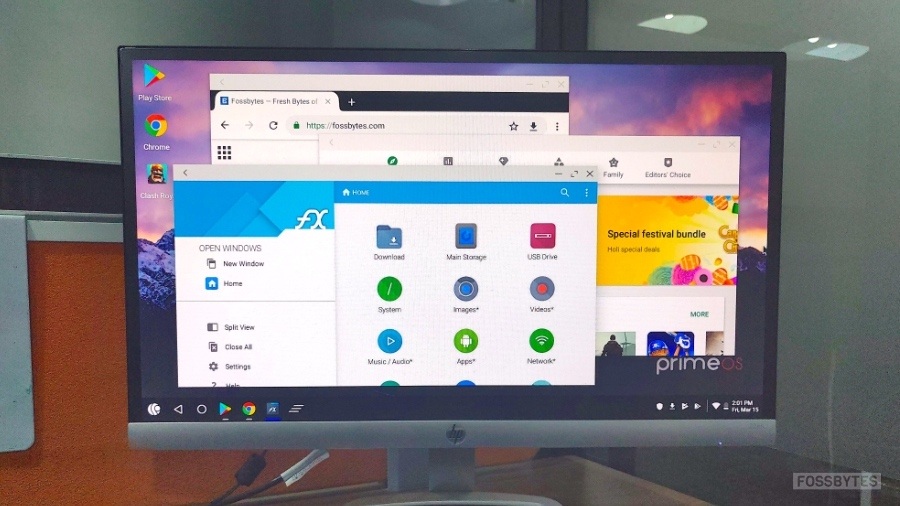
Working with HTML & Git on Primebook (PrimeOS / PrimeX) — A Practical Guide

January 15, 2026 by Rajeev Bagra


Image
Image
Image
Image

ߎ Who this session is for

  • Learners using Primebook / PrimeOS / PrimeX
  • Beginners learning HTML, Git, and basic web development
  • Anyone confused by errors like code: command not found or Git clone issues

ߧ Session Objective

By the end of this session, learners will be able to:

  • Understand what PrimeOS is (and what it is not)
  • Use Git safely without copy-paste errors
  • Edit HTML files using terminal-friendly tools
  • View HTML files correctly in a browser
  • Follow a realistic workflow suited to Primebook users

1️⃣ Understanding Your Environment (Most Important Lesson)

Image
Image
Image

Key Reality Check

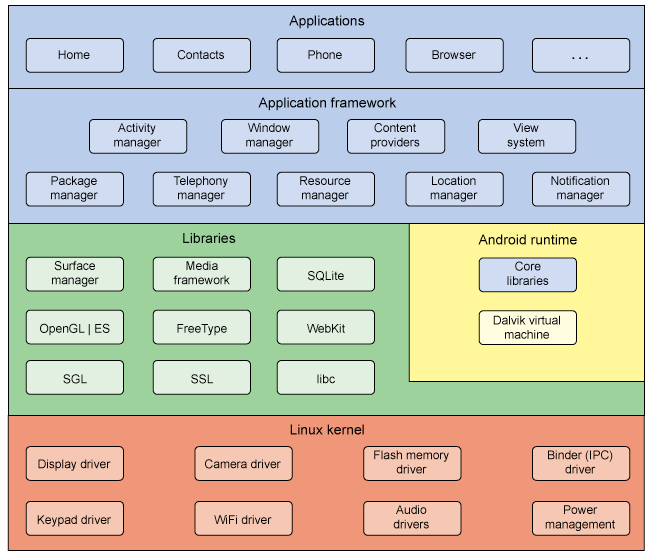
PrimeOS / PrimeX is:

  • ✅ Android-based
  • ✅ Has a Linux-like terminal
  • ❌ NOT Ubuntu
  • ❌ NOT Windows
  • ❌ NOT AWS / cloud server

ߑ That’s why commands like this fail:

code test.html
sudo apt install code

And that’s normal, not your fault.


2️⃣ Git Basics on Primebook (Common Pitfalls & Fixes)

Image
Image
Image

❌ Common Error

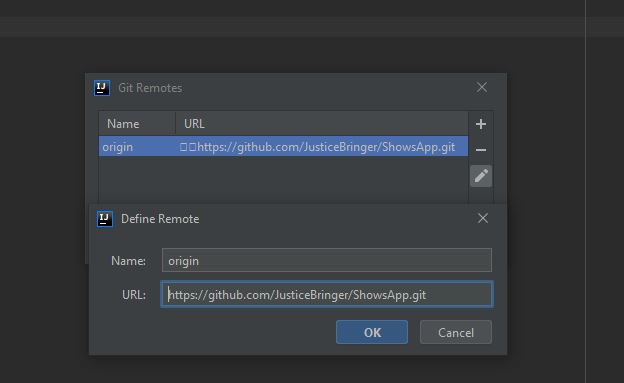
fatal: protocol '?[200~https' is not supported

Why it happens

  • Copy-pasting GitHub URLs adds hidden characters
  • Terminal interprets them as invalid protocols

✅ Best Practice

Always type Git commands manually:

git clone https://github.com/USERNAME/REPOSITORY.git

3️⃣ Creating & Editing an HTML File (The Right Way)

Image
Image
Image

Create a file

touch test.html

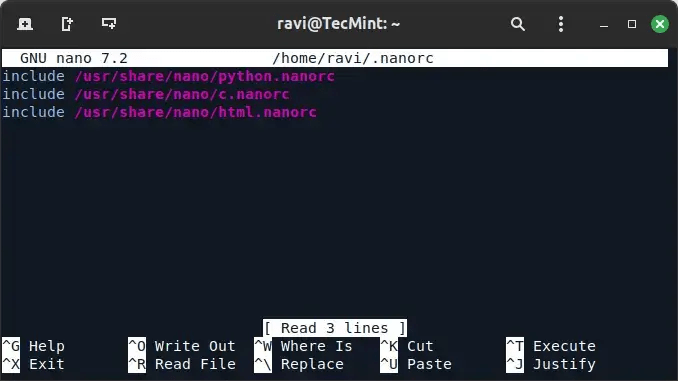
Edit using Nano (recommended)

nano test.html

Example content:

<!DOCTYPE html>
<html>
  <head>
    <title>My First Primebook Page</title>
  </head>
  <body>
    <h1>Hello from Primebook</h1>
  </body>
</html>

Save: Ctrl + O → Enter
Exit: Ctrl + X


4️⃣ Viewing the HTML File in a Browser

Image
Image
Image

✅ Method 1: Terminal

xdg-open test.html

✅ Method 2: Browser (Guaranteed)

Open Chrome and type:

file:///home/USERNAME/test/test.html

✅ Method 3: File Manager

  • Go to Home → test
  • Double-click test.html
  • Open with Chrome

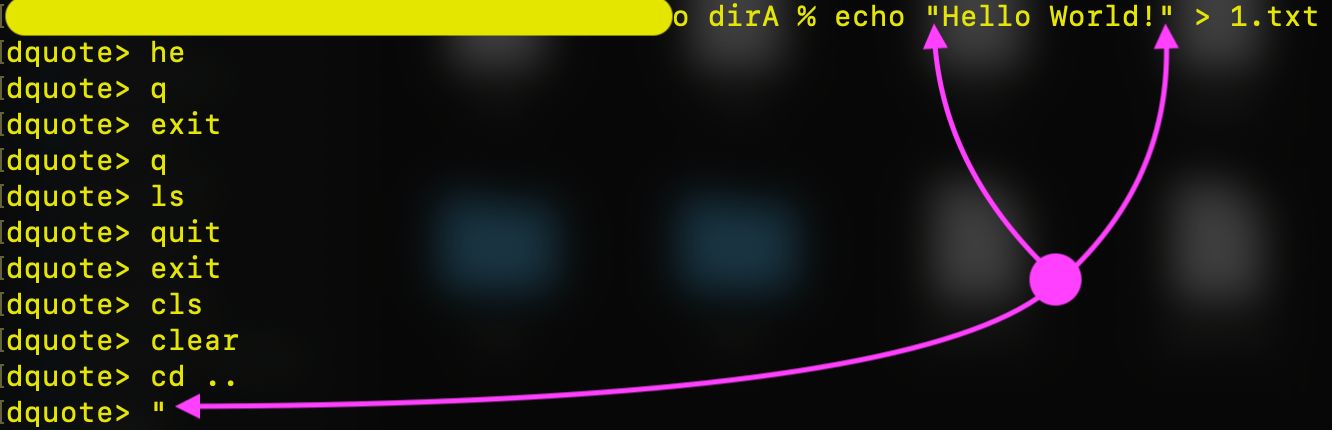
5️⃣ When the Terminal Shows > (Hidden Lesson)

Image
Image

If you ever see:

>

It means:

  • You started a quote (' or ")
  • Bash is waiting for you to finish

Fix instantly:

Ctrl + C

6️⃣ Recommended Workflow for Primebook Users

Image
Image
Image

ߟ Best Long-Term Workflow

  1. Edit files using GitHub’s browser editor
  • Open repo on GitHub
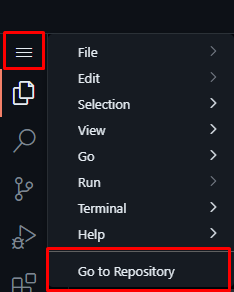
  • Press . (dot) → VS Code opens in browser
  1. Commit & push online
  2. Sync locally:
git pull origin main

ߟ Use Nano

  • For quick fixes
  • For learning terminal basics

7️⃣ What Learners Should NOT Worry About

❌ “Why VS Code doesn’t install”
❌ “Why apt doesn’t work”
❌ “Why PrimeOS is different”

ߑ These are platform limits, not skill gaps.


ߧ Session Summary (Key Takeaways)

  • PrimeOS ≠ Ubuntu ≠ Windows
  • Git works well, but copy-paste carefully
  • Nano is your best editor locally
  • HTML files open via file:// in Chrome
  • Browser-based editors are powerful and valid


Primary Sidebar

Recent Posts

  • GitHub Codespaces vs VS Code: What’s the Difference? (Explained Simply)
  • Hosting a Website From a Personal Computer (Self-Hosting): Is It Possible?
  • Working with HTML & Git on Primebook (PrimeOS / PrimeX) — A Practical Guide
  • There Is No Sharp Line Between Hardware, Software, and the Cloud — It’s All One Continuum
  • Can You Use a Primebook Laptop for MCA DSC Filing?

Archives

  • January 2026
  • December 2025
  • September 2025
  • August 2025

Categories

  • Blog
  • Dell
  • IBM
  • Laptops Lenovo laptops
  • Linux
  • LinuxOne
  • LinuxONE IBM
  • mainframes
  • operating system
  • OS
  • PrimeOS AndroidOS PrimeBook HubSpot Website Builder
  • PrimeOS Operating Systems AndroidOS WindowsOS Linux
  • Windows OS
  • x86 LinuxONE mainframes IBM

Trending (30 days)

  • Working with HTML & Git on Primebook (PrimeOS /… ߎ Who this session is for Learners using Primebook /… (0)
  • Breathe New Life Into Your Old Dell Mini Laptop:… If you still have a Dell mini laptop running Windows… (0)
  • There Is No Sharp Line Between Hardware, Software,… In everyday discussions, we often draw hard boundaries between concepts… (0)
  • GitHub Codespaces vs VS Code: What’s the Difference?… When beginners start learning coding (or even when professionals switch… (0)
  • Hosting a Website From a Personal Computer… At the end of the day, every website—whether it’s on… (0)

Start your hardware journey with clarity.Read Articles

Technzee

This website may use AI tools to assist in content creation. All articles are reviewed, edited, and fact-checked by our team before publishing. We may receive compensation for featuring sponsored products and services or when you click on links on this website. This compensation may influence the placement, presentation, and ranking of products. However, we do not cover all companies or every available product.

  • Home
  • Blog
  • Terms
  • Support
  • Subscribe
  • Contact
Scroll Up
 

Loading Comments...