• Skip to primary navigation
  • Skip to main content
  • Skip to primary sidebar
technzee logo

Technzee

reaking Down the Machines That Power Computing

  • Home
  • Blog
  • Terms
    • Privacy
    • Disclaimer
  • Support
  • Subscribe
  • Contact
  • Show Search
Hide Search

PrimeOS Operating Systems AndroidOS WindowsOS Linux

Working with HTML & Git on Primebook (PrimeOS / PrimeX) — A Practical Guide

January 15, 2026 by Rajeev Bagra


Image
Image
Image
Image

ߎ Who this session is for

  • Learners using Primebook / PrimeOS / PrimeX
  • Beginners learning HTML, Git, and basic web development
  • Anyone confused by errors like code: command not found or Git clone issues

ߧ Session Objective

By the end of this session, learners will be able to:

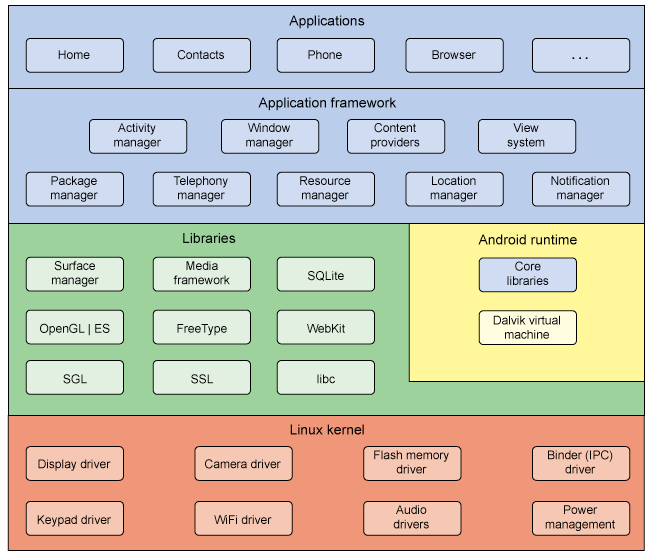
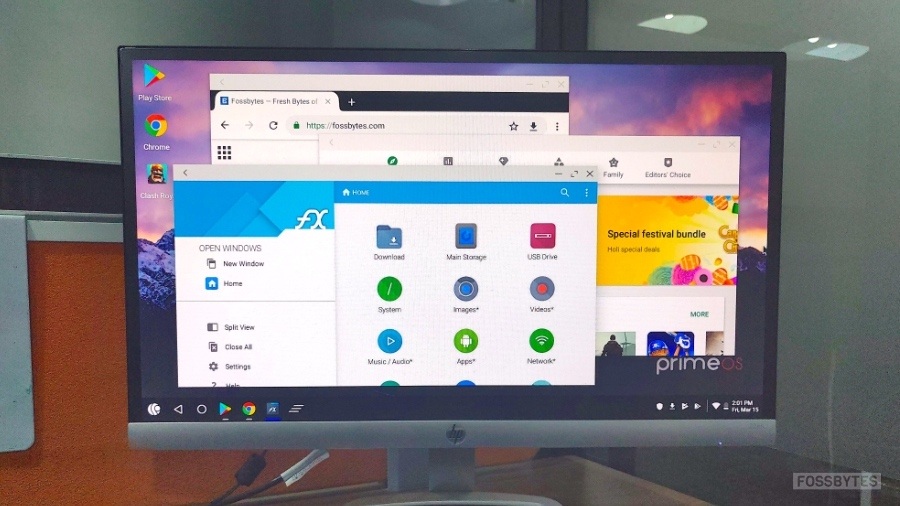
  • Understand what PrimeOS is (and what it is not)
  • Use Git safely without copy-paste errors
  • Edit HTML files using terminal-friendly tools
  • View HTML files correctly in a browser
  • Follow a realistic workflow suited to Primebook users

1️⃣ Understanding Your Environment (Most Important Lesson)

Image
Image
Image

Key Reality Check

PrimeOS / PrimeX is:

  • ✅ Android-based
  • ✅ Has a Linux-like terminal
  • ❌ NOT Ubuntu
  • ❌ NOT Windows
  • ❌ NOT AWS / cloud server

ߑ That’s why commands like this fail:

code test.html
sudo apt install code

And that’s normal, not your fault.


2️⃣ Git Basics on Primebook (Common Pitfalls & Fixes)

Image
Image
Image

❌ Common Error

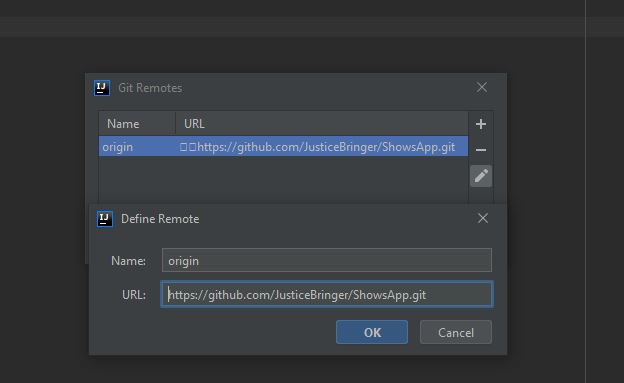
fatal: protocol '?[200~https' is not supported

Why it happens

  • Copy-pasting GitHub URLs adds hidden characters
  • Terminal interprets them as invalid protocols

✅ Best Practice

Always type Git commands manually:

git clone https://github.com/USERNAME/REPOSITORY.git

3️⃣ Creating & Editing an HTML File (The Right Way)

Image
Image
Image

Create a file

touch test.html

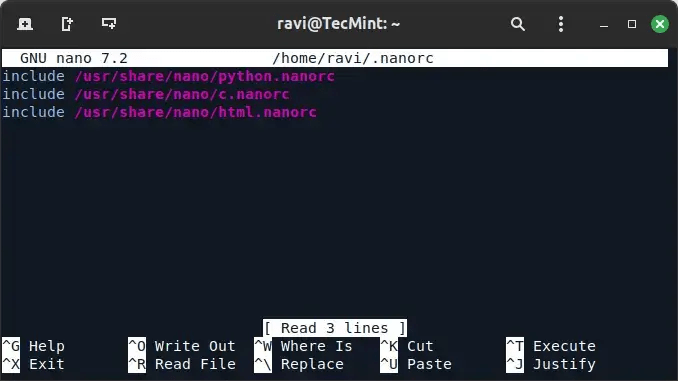
Edit using Nano (recommended)

nano test.html

Example content:

<!DOCTYPE html>
<html>
  <head>
    <title>My First Primebook Page</title>
  </head>
  <body>
    <h1>Hello from Primebook</h1>
  </body>
</html>

Save: Ctrl + O → Enter
Exit: Ctrl + X


4️⃣ Viewing the HTML File in a Browser

Image
Image
Image

✅ Method 1: Terminal

xdg-open test.html

✅ Method 2: Browser (Guaranteed)

Open Chrome and type:

file:///home/USERNAME/test/test.html

✅ Method 3: File Manager

  • Go to Home → test
  • Double-click test.html
  • Open with Chrome

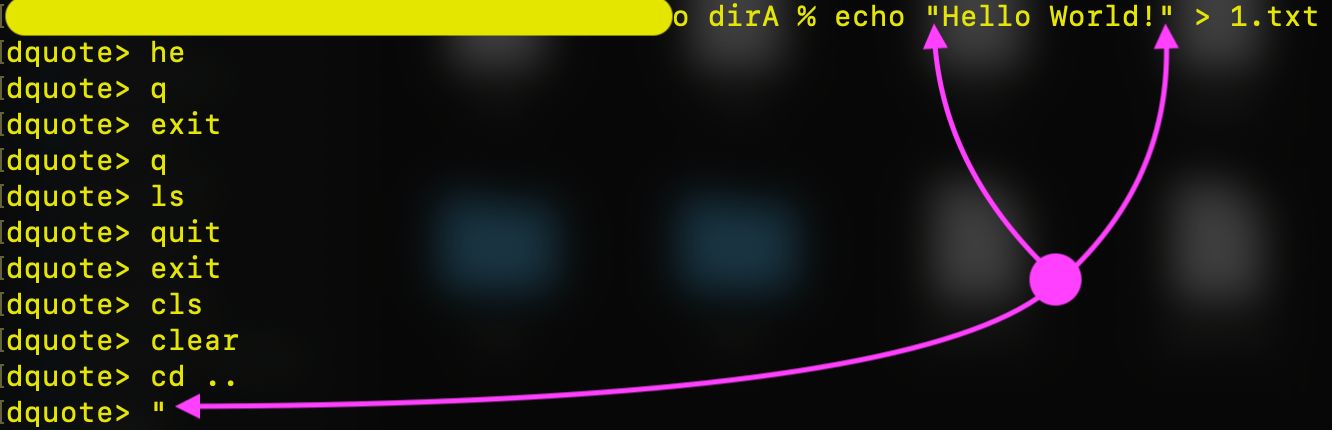
5️⃣ When the Terminal Shows > (Hidden Lesson)
Image
Image

If you ever see:

>

It means:

  • You started a quote (' or ")
  • Bash is waiting for you to finish

Fix instantly:

Ctrl + C

6️⃣ Recommended Workflow for Primebook Users
Image
Image
Image

ߟ Best Long-Term Workflow

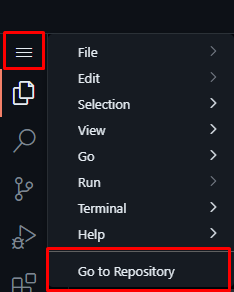
  1. Edit files using GitHub’s browser editor
  • Open repo on GitHub
  • Press . (dot) → VS Code opens in browser
  1. Commit & push online
  2. Sync locally:
git pull origin main

ߟ Use Nano

  • For quick fixes
  • For learning terminal basics

7️⃣ What Learners Should NOT Worry About

❌ “Why VS Code doesn’t install”
❌ “Why apt doesn’t work”
❌ “Why PrimeOS is different”

ߑ These are platform limits, not skill gaps.


ߧ Session Summary (Key Takeaways)

  • PrimeOS ≠ Ubuntu ≠ Windows
  • Git works well, but copy-paste carefully
  • Nano is your best editor locally
  • HTML files open via file:// in Chrome
  • Browser-based editors are powerful and valid


Can You Use a Primebook Laptop for MCA DSC Filing?

September 24, 2025 by Rajeev Bagra

Every company in India has to stay compliant with the Ministry of Corporate Affairs (MCA) by filing annual returns, financial statements, and other statutory documents. These filings require authentication through a Digital Signature Certificate (DSC).

If you own a Primebook laptop and are wondering whether you can complete your yearly MCA compliance on it, here’s what you need to know.


What You Need for MCA DSC Filing

To sign and upload MCA forms digitally, you must have:

  • A valid DSC USB Token issued by a Certifying Authority like eMudhra, Sify, or Capricorn.

  • DSC Token Drivers, provided by the vendor.

  • Java Runtime Environment (JRE), since MCA’s signing process relies on Java.

  • A compatible browser (Internet Explorer for legacy forms, or Chrome/Edge with emSigner for newer ones).

  • The emSigner Utility installed and running in the background.


The Primebook Limitation

Here’s the catch:

  • Primebook runs on PrimeOS, which is based on Android, not Windows or macOS.

  • MCA utilities like Java, emSigner, and token drivers are only available for Windows and macOS.

  • That means you cannot directly use a Primebook laptop to digitally sign MCA forms.


Workarounds and Alternatives

If you’re using a Primebook, here are your options:

  1. Use a Windows or Mac System
    The most straightforward solution. Install the DSC drivers, Java, and emSigner, and file your forms without issues.

  2. Dual Boot with Windows (if supported)
    Some Primebook models may support dual boot with Windows. If so, you can install Windows alongside PrimeOS and switch when you need MCA filing.

  3. Use Another System Temporarily
    Borrow or rent a Windows/Mac computer just for MCA filing.

  4. Hire a Professional
    Chartered Accountants (CAs) and Company Secretaries (CS) routinely handle MCA compliance. You can provide your DSC and have them file on your behalf.


Conclusion

While the Primebook is great for everyday productivity and learning, it’s not suited for MCA DSC filing because the required utilities don’t support PrimeOS. To stay compliant, you’ll need to switch to a Windows or Mac device for signing and uploading MCA forms.

👉 If you run a company, make sure you arrange access to such a system well in advance of your filing deadlines to avoid last-minute stress.

Here’s an updated version of your blog with a new “Recommended Devices” section. You can plug this in toward the end of your post (just before conclusion).


Recommended Devices for Seamless MCA DSC Filing

To ensure your MCA annual compliance and DSC signing go smoothly, here are a few Dell and Lenovo Windows-based devices that are well suited for this work. These machines support all required software (Java, emSigner, token drivers) and offer the stability and ports needed for digital signatures.

Note: These are suggestions. Always verify compatibility with your DSC token vendor and check driver support for your region.

✅ Dell Options (Laptops & Desktops)

Here are some Dell devices you can consider:

  • Dell Inspiron 5430 — A compact 14″ laptop with Intel Core i5-1335U, SSD, and Windows 11. Good for portability plus power for MCA filing tasks.

  • Dell Inspiron 15 3530 — Slightly larger 15.6″ screen, decent all-rounder for daily use and compliance work.

  • Dell Vostro 3710 — A business-oriented laptop with Windows 11, ideal for small companies or professionals.

  • Dell Vostro 16 5630 — A 16″ variant that gives more screen real estate — useful if you often work with multiple document windows.

Dell also has good business-line models like the Latitude series and OptiPlex desktops. You can check them out on Dell India’s official site. (Dell)


🖥️ Lenovo Options (Desktops / All-in-Ones / Tower PCs)

For those who prefer a desktop or all-in-one setup, Lenovo has solid offerings:

  • Lenovo IdeaCentre Tower (14ᵗʰ Gen) — A tower desktop with full upgradability (RAM, storage) and Windows ready for compliance tasks.

  • Lenovo ThinkCentre Neo 50a AIO — All-in-One form factor (screen + PC in one), reducing cable clutter.

  • Lenovo ThinkCentre M75q Gen 5 — A compact mini desktop (small footprint) that still packs performance.

Lenovo’s ThinkCentre lineup is designed for business use and tends to offer reliable support and long product life. (Lenovo)


🧭 What to Look for When Choosing

When selecting a device for DSC filing and MCA compliance, keep these in mind:

Feature Recommended Spec
Processor (CPU) Modern Intel Core i3/i5 or AMD Ryzen 3/5 or better
RAM Minimum 8 GB (16 GB preferred)
Storage SSD (256 GB or more) for speed and reliability
Operating System Windows 10 or Windows 11 (64-bit)
Ports At least one USB-A port (for DSC token), plus extra ports for peripherals
Support & Drivers The manufacturer should provide driver updates and support for your region
Expansion / Upgradability Easy access to add more RAM, storage, etc.

PrimeOS vs Windows, Linux, and Android: A Complete Guide + How to Revive It on Your Old Windows 7 Laptop

August 25, 2025 by Rajeev Bagra

Old laptops lying around with outdated Windows 7 can still breathe new life. One of the best ways to do this is by installing PrimeOS, a desktop-oriented Android OS fork designed for x86 systems. In this blog, we’ll compare PrimeOS with Windows, Linux, and stock Android, explore how to revive PrimeOS on a Windows 7 laptop, share troubleshooting resources, and even look at approximate costs.


🔎 PrimeOS at a Glance

PrimeOS is an Android-based operating system optimized for PCs and laptops. It gives you the look and feel of Windows while running Android apps natively. Think of it as Android reimagined for keyboard + mouse.

Key Highlights:

  • Free and open-source.

  • Familiar desktop UI (taskbar, start menu, windowed apps).

  • Ideal for light productivity, web browsing, and Android gaming.

  • Low hardware requirements (can run on 2GB RAM laptops).


🖥️ PrimeOS vs Windows, Linux, and Android

PrimeOS vs Windows

  • Pros of PrimeOS:

    • Lighter footprint than Windows (runs well on old 2–4 GB RAM laptops).

    • Native access to Android apps and games.

    • No license cost (Windows requires activation).

  • Cons of PrimeOS:

    • Limited app ecosystem for professional productivity compared to Windows.

    • Hardware drivers (Wi-Fi, graphics, touchpads) can sometimes be tricky.

    • Lacks enterprise-grade support.

PrimeOS vs Linux

  • Pros of PrimeOS:

    • Much easier to set up for non-technical users.

    • Native Play Store integration out of the box (Linux requires emulators or workarounds).

  • Cons of PrimeOS:

    • Linux has broader support for programming, servers, and enterprise tools.

    • PrimeOS focuses more on gaming + light tasks.

    • Linux distros (like Ubuntu, Mint) are more future-proof.

PrimeOS vs Android (stock)

  • Pros of PrimeOS:

    • Designed for desktop experience (taskbar, multitasking windows).

    • Better keyboard + mouse support.

    • Easier to use on laptops/PCs than stock Android.

  • Cons of PrimeOS:

    • Not as frequently updated as stock Android.

    • Limited device support compared to phones and tablets.


💡 Why Use PrimeOS on Old Windows 7 Laptops?

  • Breathes new life into aging hardware that struggles with Windows 10/11.

  • Free alternative to buying a new machine or Windows license.

  • Android ecosystem on a laptop: mobile games, educational apps, and social media tools.

  • Good for students with old laptops who just need browsing, YouTube, and basic office apps.


🔧 How to Revive PrimeOS on a Windows 7 Laptop

Step 1: Backup Your Data

  • Save any important files before you begin.

Step 2: Download PrimeOS ISO

  • Official site: https://primeos.in/download

Step 3: Create a Bootable USB

  • Use Rufus (Windows tool) → https://rufus.ie

  • Select PrimeOS ISO → Burn to USB (8GB+ recommended).

Step 4: Boot Into PrimeOS

  • Restart laptop → Enter BIOS/Boot menu (usually F2/F12/ESC depending on model).

  • Choose USB boot.

Step 5: Install or Run Live

  • You can try PrimeOS in Live mode (no install).

  • Or install it alongside Windows 7 (dual boot) or replace Windows completely.

Step 6: Configure PrimeOS

  • Set up Google account.

  • Update apps via Play Store.

  • Install essential apps (Chrome, Office alternatives, games, etc.).


🔗 Useful Links for Troubleshooting and Learning

  • PrimeOS official website: https://primeos.in

  • Installation guide: https://primeos.in/download

  • PrimeOS Reddit community: https://reddit.com/r/PrimeOS

  • Common fixes (Wi-Fi, dual boot, graphics): XDA Forums – PrimeOS

  • Rufus USB creator: https://rufus.ie


💰 Approximate Costs

  • PrimeOS itself → Free.

  • USB drive (if you don’t have one) → $5–$10 (₹400–₹800).

  • External HDD/SSD (optional for dual boot) → $30–$50 (₹2,500–₹4,000).

  • Old laptop upgrades (optional):

    • 4GB RAM stick → $15–$20 (₹1,200–₹1,600).

    • Cheap SSD upgrade → $25–$40 (₹2,000–₹3,200).

👉 In short, you can revive a Windows 7 laptop with almost zero cost, or spend ~$50–$70 (₹4,000–₹6,000) for SSD + RAM upgrades to make it feel like new.


✅ Final Verdict

PrimeOS is a fantastic free solution to extend the life of your old Windows 7 laptop. It won’t completely replace Windows or Linux for professional work, but it’s perfect for students, light users, and Android gamers. With minimal cost and easy setup, it can turn a forgotten machine into a functional daily driver once again.

Got it 👍 — if you’re looking for alternatives to PrimeOS, there are several Android-x86–based operating systems and lightweight OSes designed to revive old PCs and laptops. Each has its own strengths, depending on whether you want an Android-like experience, a lightweight Linux distro, or a Windows-like workflow.


🔄 Alternatives to PrimeOS

1. Bliss OS

  • What it is: Based on Android-x86, built for PCs with multiple optimizations.

  • Features:

    • Supports dual-boot or installation on old laptops.

    • Multiple performance modes for gaming vs productivity.

    • Touchscreen support if your laptop has one.

  • Best for: Users who want latest Android versions on PC.

  • Cost: Free, open-source.

  • 🔗 Learn more


2. Phoenix OS

  • What it is: One of the oldest Android-PC OS, similar to PrimeOS.

  • Features:

    • Desktop-like taskbar and start menu.

    • Good for Android gaming on low-end hardware.

    • Has stopped active development, but older versions still work.

  • Best for: Lightweight gaming and Android apps.

  • Cost: Free.

  • 🔗 Official site (archived)


3. FydeOS (Chromium OS based)

  • What it is: A ChromeOS-like system with Android app support.

  • Features:

    • Runs Android apps alongside web apps.

    • Secure and fast.

    • Regular updates (unlike Phoenix OS).

  • Best for: Users who want a ChromeOS feel with Android support.

  • Cost: Free for personal use.

  • 🔗 FydeOS


4. OpenThos

  • What it is: Android-based OS with Linux kernel integration.

  • Features:

    • Looks more like Windows/Linux than Android.

    • Can run Android + Linux apps side by side.

  • Best for: Developers and power users who need dual-ecosystem features.

  • Cost: Free.

  • 🔗 OpenThos


5. Lightweight Linux Distros (non-Android but revive old laptops)

If you don’t strictly need Android, Linux can make old hardware fly again:

  • Lubuntu → Lightweight Ubuntu with LXQt desktop.

  • Linux Lite → Very easy for Windows users.

  • Zorin OS Lite → Windows-like UI, optimized for older PCs.

🔗 Lubuntu | Linux Lite | Zorin OS


⚖️ PrimeOS vs Alternatives

  • PrimeOS → Great balance of Android apps + PC UI, but updates are rare.

  • Bliss OS → More modern Android versions, active dev.

  • Phoenix OS → Stable but outdated.

  • FydeOS → ChromeOS experience with Android.

  • Linux distros → Faster, more secure, broader app ecosystem (not Android).


💡 Cost Overview:

  • All of the above are free to download and use (open-source or community-driven).

  • Paid cost comes only if you hire help to install/configure (~$20–$50 locally, depending on technician)

Primary Sidebar

Recent Posts

  • GitHub Codespaces vs VS Code: What’s the Difference? (Explained Simply)
  • Hosting a Website From a Personal Computer (Self-Hosting): Is It Possible?
  • Working with HTML & Git on Primebook (PrimeOS / PrimeX) — A Practical Guide
  • There Is No Sharp Line Between Hardware, Software, and the Cloud — It’s All One Continuum
  • Can You Use a Primebook Laptop for MCA DSC Filing?

Archives

  • January 2026
  • December 2025
  • September 2025
  • August 2025

Categories

  • Blog
  • Dell
  • IBM
  • Laptops Lenovo laptops
  • Linux
  • LinuxOne
  • LinuxONE IBM
  • mainframes
  • operating system
  • OS
  • PrimeOS AndroidOS PrimeBook HubSpot Website Builder
  • PrimeOS Operating Systems AndroidOS WindowsOS Linux
  • Windows OS
  • x86 LinuxONE mainframes IBM

Trending (30 days)

  • Working with HTML & Git on Primebook (PrimeOS /… ߎ Who this session is for Learners using Primebook /… (0)
  • Breathe New Life Into Your Old Dell Mini Laptop:… If you still have a Dell mini laptop running Windows… (0)
  • There Is No Sharp Line Between Hardware, Software,… In everyday discussions, we often draw hard boundaries between concepts… (0)
  • GitHub Codespaces vs VS Code: What’s the Difference?… When beginners start learning coding (or even when professionals switch… (0)
  • Hosting a Website From a Personal Computer… At the end of the day, every website—whether it’s on… (0)

Start your hardware journey with clarity.Read Articles

Technzee

This website may use AI tools to assist in content creation. All articles are reviewed, edited, and fact-checked by our team before publishing. We may receive compensation for featuring sponsored products and services or when you click on links on this website. This compensation may influence the placement, presentation, and ranking of products. However, we do not cover all companies or every available product.

  • Home
  • Blog
  • Terms
  • Support
  • Subscribe
  • Contact
Scroll Up