Co-op gaming is no longer a secondary mode that developers add at the end of production; it is becoming a primary design direction because it matches how people actually want to play in modern life. Many players still enjoy competition, ranked ladders, and high-pressure matches, but a growing number of people now look for games that combine challenge with connection rather than challenge with constant emotional fatigue. Co-op experiences deliver that balance by giving players a shared objective, shared risk, and shared reward structure where the session becomes a story created in real time. In practical terms, this means every run can produce laughter, chaos, recovery moments, tactical planning, and social bonding all at once, which is one reason co-op games create stronger emotional memory than many solo or purely adversarial formats.
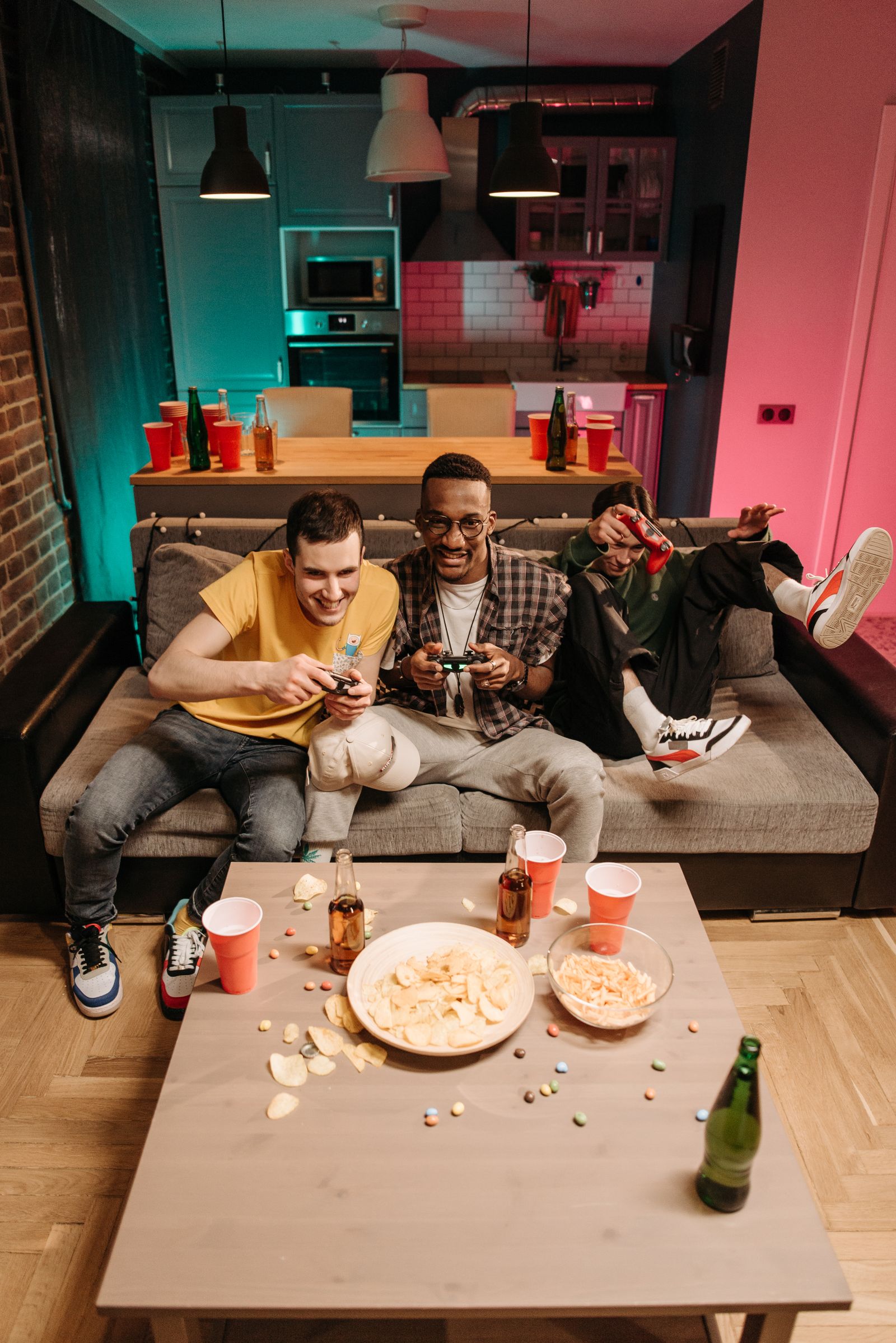
1) Co-Op Solves a Modern Problem: People Want to Play Together Without Constant Toxic Pressure
One of the biggest reasons co-op is rising is that it gives players a way to stay socially active without the nonstop emotional drain that can come with highly competitive environments. In many PvP ecosystems, even minor mistakes can trigger blame culture, tilt, and frustration loops that leave players mentally exhausted after long sessions. Co-op shifts that emotional frame. You are still under pressure, but the pressure is directed toward problem-solving as a team rather than proving individual superiority every minute. That single change creates a healthier rhythm for many players, especially those using gaming to unwind after work, school, or personal stress. Failing a mission in co-op often becomes a learning moment or a funny memory, while failing in hard-ranked contexts can feel like identity damage. This difference is not small. Over time, it directly affects whether players keep returning with energy or quietly burn out.
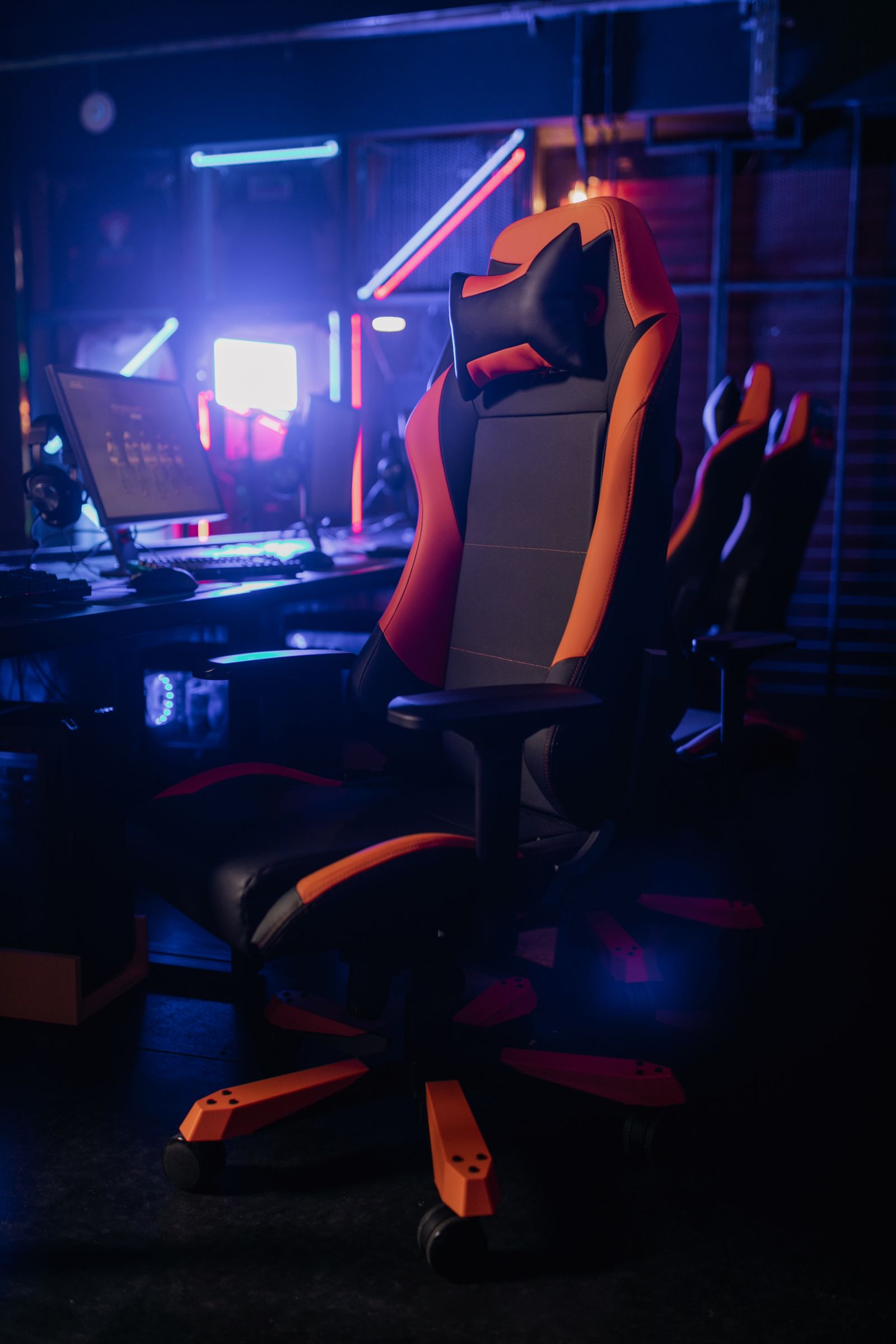
2) Great Co-Op Design Is Hard, and That’s Why the Best Co-Op Games Feel So Good
A lot of people assume co-op is easy to design, just put multiple players in one mission and increase enemy health, but that usually creates shallow teamwork and repetitive sessions. Strong co-op games are built around role interdependence, where each player has meaningful decisions and distinct contribution pathways. This can include support roles, crowd control, objective coordination, resource management, tactical scanning, healing timing, and communication-based execution windows that reward group discipline. When this is done well, every teammate feels important and engagement stays high because success depends on coordination quality, not just individual damage output. Modern co-op design has also improved pacing and scaling systems, so encounters adjust more intelligently to team size and skill distribution instead of relying on blunt difficulty inflation. That is one reason today’s co-op hits feel deeper and more replayable than older generation “multiplayer mission packs.”
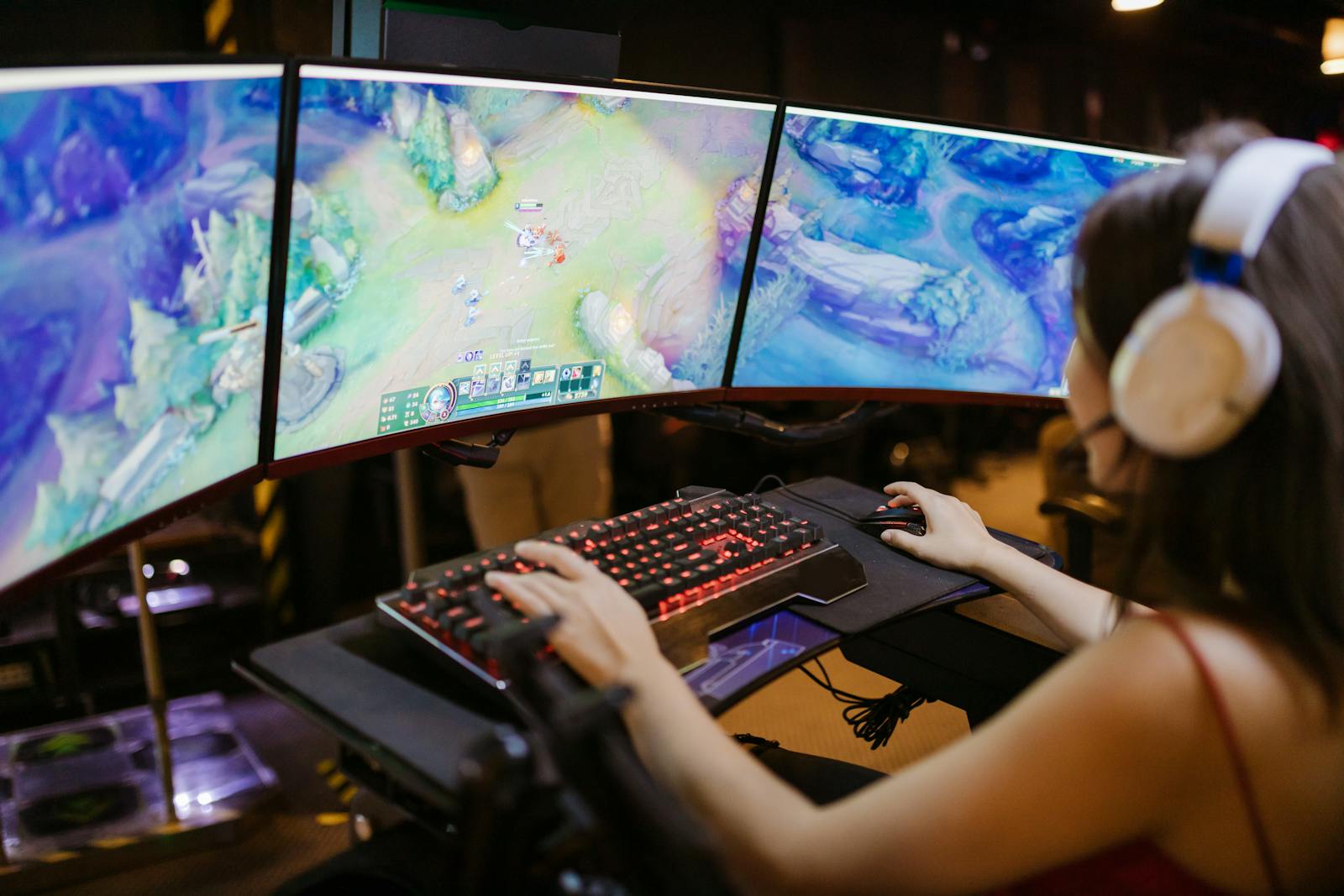
3) Co-Op Gaming and Mental Wellness: Why Shared Play Can Feel Like Emotional Recovery
Co-op games can provide real emotional value because they combine social contact, focused activity, and low-friction interaction in one format that feels natural rather than forced. For many people, especially during stressful periods, one of the hardest things is maintaining consistent connection with friends while schedules, fatigue, and mental load keep rising. Co-op sessions solve this by creating recurring rituals, weekly runs, campaign nights, mission check-ins, where connection happens automatically through shared objective flow. You do not need to force conversation for an hour; the game itself creates context for communication, humor, and support. This matters because social continuity is one of the strongest protective factors against isolation stress. Co-op does not replace all forms of mental health support, but as part of a balanced lifestyle, it can function as a meaningful decompression system that helps players reset emotionally and feel less alone.
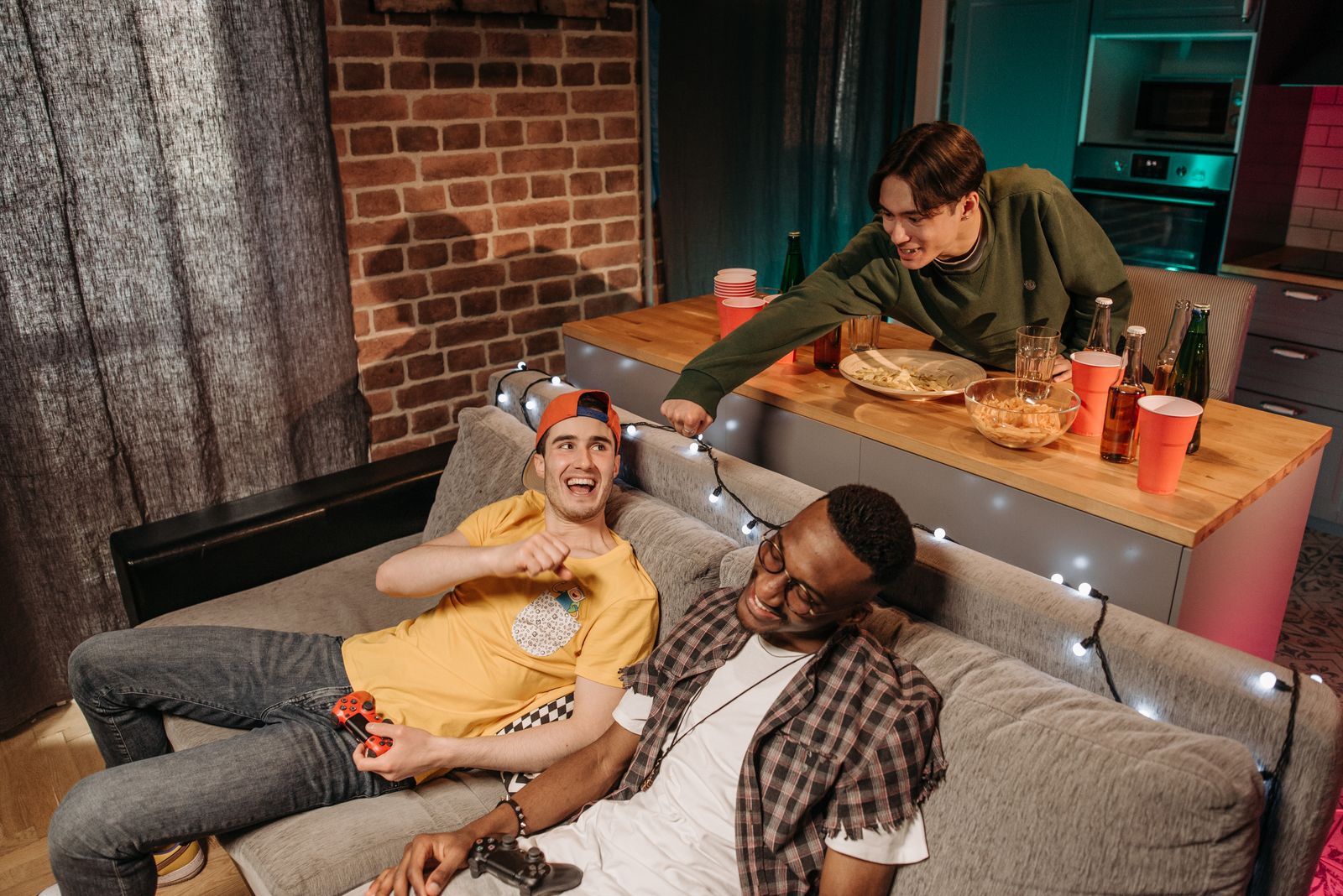
4) Why Co-Op Is a Content Goldmine for Streamers and YouTubers
Co-op games are structurally excellent for content creation because they generate narrative unpredictability without heavy scripting. In solo content, creators often carry pacing alone through commentary and challenge framing. In co-op content, pacing emerges naturally from group dynamics: miscommunication, clutch saves, failed plans, sudden recoveries, role conflict, and chaotic success moments all produce high-retention storytelling. This makes co-op clips perform well across both long-form streams and short-form social media because emotional beats are clear and shareable. Audiences are not just watching mechanics; they are watching relationships, personalities, and teamwork under pressure, which increases attachment and return viewing. In the creator economy, this matters a lot. Games that produce repeatable social narrative loops tend to stay visible longer, and that visibility feeds player growth. Co-op titles benefit directly from this ecosystem because every good session can become a new marketing engine.
5) The Business Side: Why Studios Keep Investing in Co-Op Ecosystems
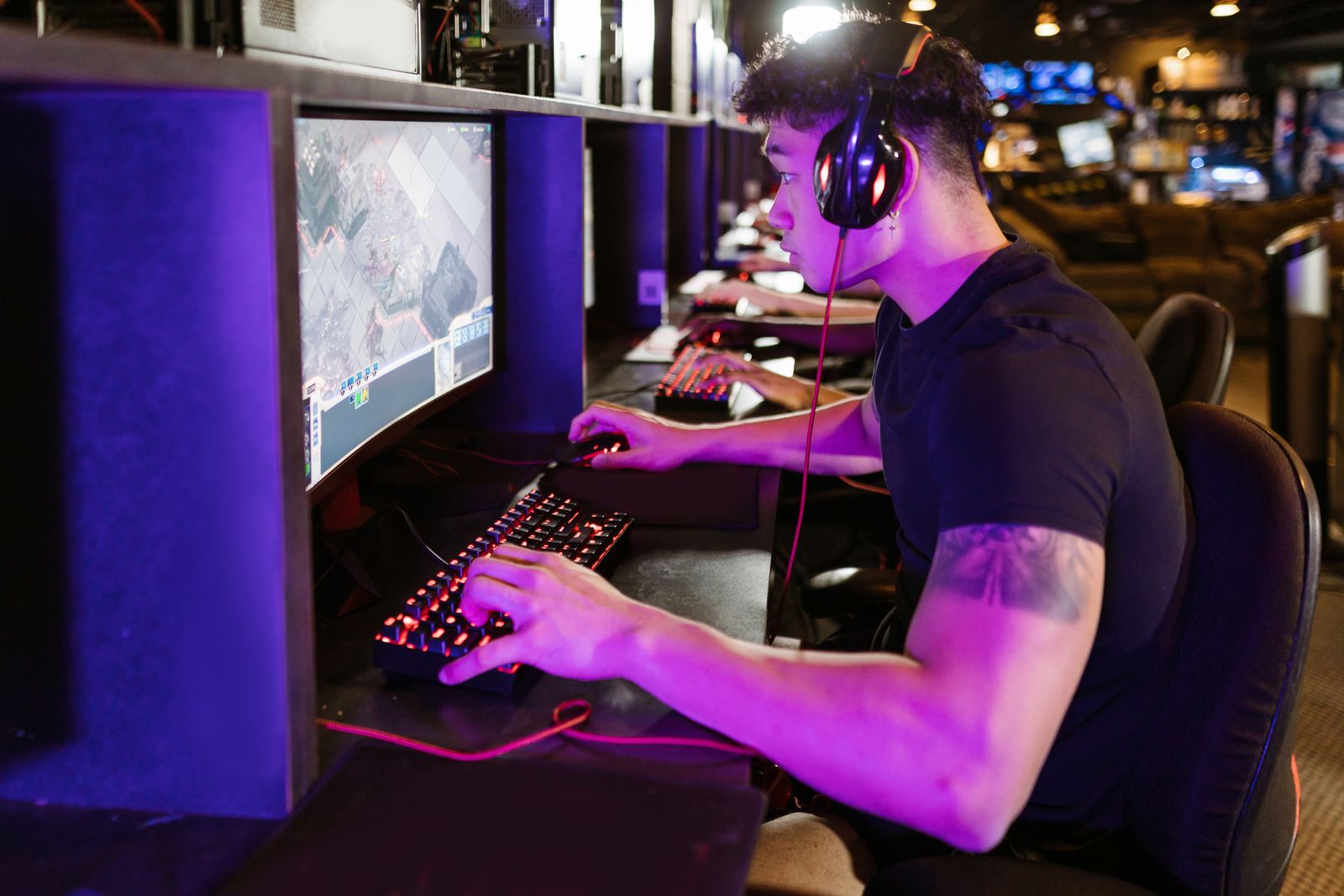
From a studio perspective, co-op is attractive because social retention is stronger than solo retention in many live-service models. When friends are involved, player return probability increases, and when return frequency increases, long-term monetization and community health generally improve. This does not mean co-op guarantees success, but it gives developers a strategic edge because social bonds reduce churn after content dips or balancing issues. Co-op also broadens audience reach by attracting players who want challenge without constant ladder anxiety, which expands market potential beyond hardcore competitive segments. As a result, more studios now build co-op into core architecture early, mission structure, progression paths, communication tools, replay loops, instead of adding it late as optional side content. The market signal is clear: collaborative play is not a temporary trend. It is a durable pillar in modern game strategy.
6) The Future of Co-Op: Smarter Systems, Better Matchmaking, Stronger Social Tools
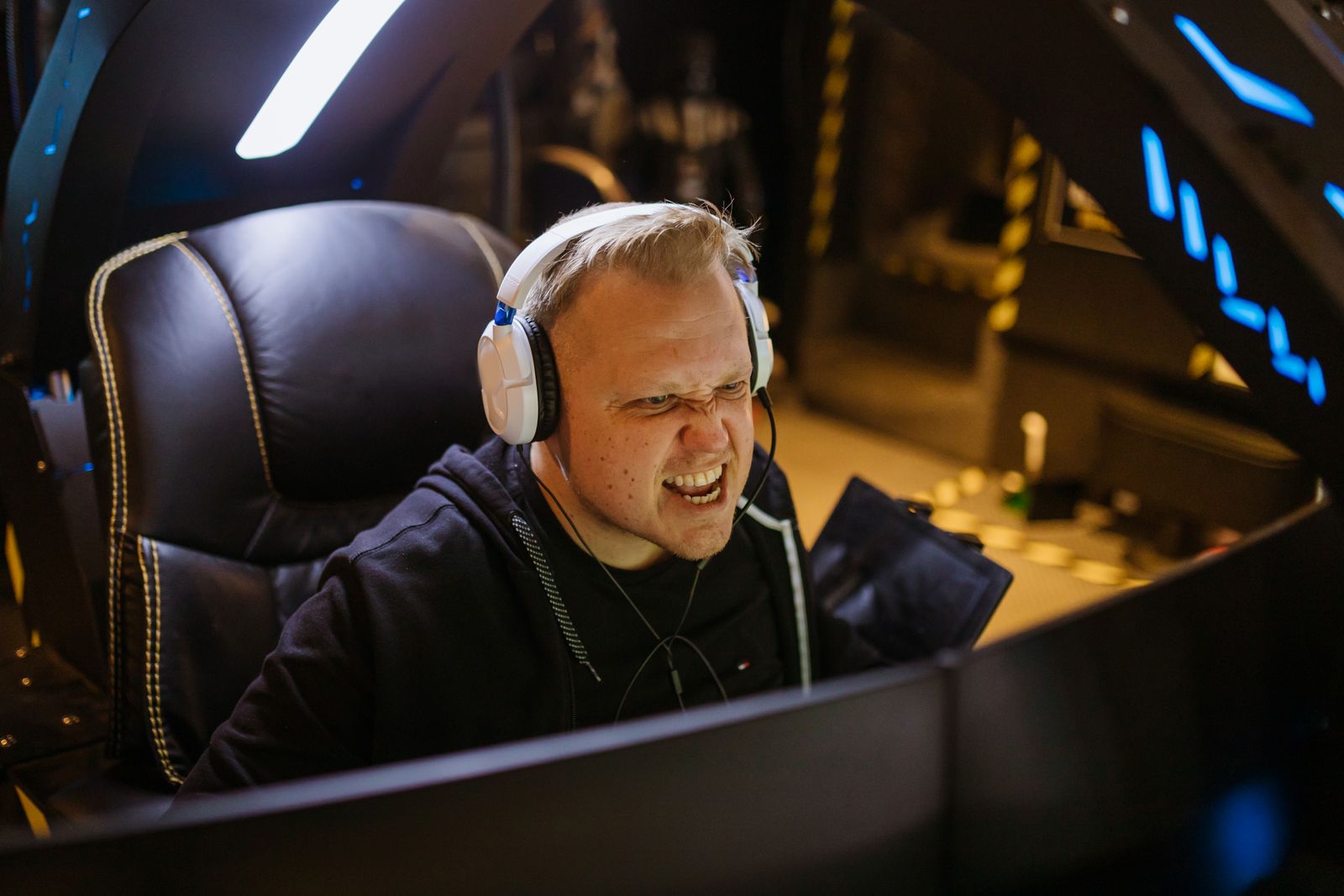
The next phase of co-op growth will likely be driven by system intelligence and social UX quality. Expect better role-matching systems, clearer team onboarding, adaptive difficulty that responds to group behavior, and tools that make it easier for casual players and newcomers to join experienced groups without feeling like liabilities. We will also see stronger creator-community integration, event-driven co-op formats, and progression systems that reward collaboration quality instead of only raw completion speed. As AI-assisted systems improve moderation and session quality, co-op environments may become even more welcoming and stable, which could unlock wider demographic adoption. In short, co-op is moving from “multiplayer mode” to “social infrastructure,” and that shift will shape both game design and community culture over the next several years.
Conclusion
Co-op games are rising because they align with what many players now value most: meaningful challenge, shared progress, emotional sustainability, and memorable social experiences that outlast individual match results. They are fun, but more importantly, they are connective. They reduce isolation, create stories, and reward communication in ways that feel increasingly relevant in modern digital life. As studios continue refining co-op systems and communities keep growing around them, co-op will not just remain popular, it will likely become one of the defining foundations of next-generation gaming culture.
